This guide explains the dental implantation procedure, who it helps, and what to expect before, during, and after treatment. If you have one or more missing teeth, loose dentures, or want a long-term replacement option, this guide walks you through the steps, tests, comforts, and recovery tips. By the end you’ll know the key milestones and practical next steps to discuss at your consultation.
Understanding the dental implantation procedure
What is a dental implant?
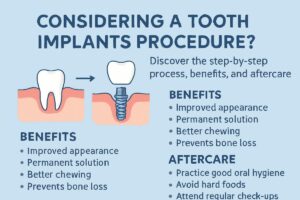
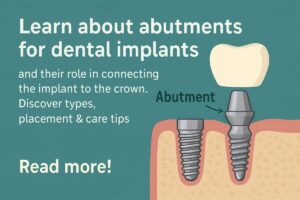
A dental implant is a replacement for a missing tooth made of three main parts: the fixture (a titanium post placed into the jawbone), the abutment (a connector), and the crown (the visible tooth). The fixture acts like a root and fuses with bone over time. Together these parts restore chewing, speech, and appearance much like a natural tooth.
Who is a good candidate?
Good candidates for a dental implantation procedure are adults in generally good health with healthy gums and enough jawbone to support an implant. Smoking, certain medications, uncontrolled diabetes, or active gum disease can make implants harder to place or heal. Your dentist will review your health and advise if you need treatment first.
Pre-op evaluation
Before implants, your provider runs tests and plans the case carefully:
- Oral exam and medical history review
- X-rays or CBCT scans to check bone and nerve positions
- Treatment planning for implant size, position, and final tooth
- Possible preparatory care such as extractions, bone grafting, or sinus lift
What to expect during the dental implantation procedure
Anesthesia and comfort options
Most implant surgeries use local anesthesia so the area is numb. For anxious patients, options include oral sedatives or IV sedation. With local anesthesia you’ll be awake but comfortable; sedatives make you drowsy and less aware. Recovery from sedation can take a few hours; arrange a ride home if you use sedatives or IV sedation.
Step-by-step of the procedure
A typical implant placement includes these steps: an incision in the gum to expose bone, drilling a small hole, placing the titanium fixture, and attaching a healing cap or covering the implant with a screw. Some cases allow immediate placement of a temporary crown; others use a staged approach where the implant is covered and left to heal before the final abutment and crown are attached.
Length of the appointment
Appointment time varies. A single implant placement often takes 45–90 minutes. More complex cases, extractions, bone grafts, or multiple implants can take several hours. Planning and imaging before the day help keep the visit efficient.
Recovery and aftercare after a dental implantation procedure
What to expect in the first 24–72 hours
Expect some pain, swelling, and light bleeding after the procedure. Use ice packs on the cheek for the first 24 hours, take prescribed or over-the-counter pain medicine as directed, and stick to soft foods for a few days. Avoid heavy rinsing or spitting the first 24 hours to help clot formation.
Longer-term healing: osseointegration and follow-up
The implant needs time to fuse with bone in a process called osseointegration. This usually takes 3–6 months depending on bone quality and whether grafting was done. After bone healing, your dentist places the abutment and final crown. Expect several follow-up visits to check healing and fit of the final restoration.
Daily care and signs of complications
Keep the area clean with gentle brushing and saltwater rinses once allowed. Avoid hard or crunchy foods until your provider clears you. Call the office if you notice:
- Increasing or severe pain not controlled by medication
- Heavy or prolonged bleeding
- Fever or signs of infection (pus, bad smell)
- A loose implant or crown
Costs, timeline, and choosing a provider for your dental implantation procedure
Costs and timeline depend on complexity: single implants are less costly and faster than full-arch solutions or cases needing bone grafts. Ask about total treatment time, fees for each phase (surgery, abutment, crown), and whether imaging is included.
Key questions to ask at your consultation:
- How many implants have you placed and what is your success rate?
- Will you use 3D imaging (CBCT) for planning?
- Who will restore the final crown — the surgeon or a restorative dentist?
- What are the expected steps, timeline, and costs? Are warranties or follow-up care included?
- Are financing options available?
To schedule a consultation for a dental implantation procedure bring your medical history, a list of medications, and any recent dental X-rays if you have them. The consultation will give you a clear treatment plan, timeline, and next steps tailored to your needs.