This guide explains why oral health in Abilene, TX matters and what steps you can take to protect your smile. You’ll learn how poor oral health affects the rest of your body and when to consider restorative options. Dental implants are a key option for restoring function and confidence when teeth are missing or failing.
Read on for clear, practical information about causes of tooth loss, how dental implants work, who can get them, what to expect during treatment, and how to keep your mouth healthy long term in Abilene, TX.
Why oral health in Abilene, TX matters for your whole-body health
Oral health affects more than your teeth. Infections and inflammation in the mouth can raise risks for heart disease, make diabetes harder to control, and reduce your ability to eat well. Poor oral health can also lower your energy, mood, and quality of life.
Residents should watch for warning signs early. Common signs to watch for include:
- Red, swollen, or bleeding gums
- Loose or shifting teeth
- Persistent bad breath or taste
- Pain when chewing or sore spots
Addressing these issues protect both your mouth and overall health. If you notice any of these signs, schedule an exam to protect your oral health in Abilene, TX.
Common causes of tooth loss and declining oral health
Gum disease (periodontitis)
Gum disease starts as gingivitis and can progress to periodontitis if untreated. Infection destroys gum tissue and the bone that supports teeth. Early signs include bleeding gums and bad breath; later signs include loose teeth and bone loss. Treating gum disease early prevents tooth loss and preserves oral health.
Tooth decay and trauma
Tooth decay from poor brushing, diet, or missed dental care can reach the nerve and lead to tooth loss. Trauma from falls or accidents can also break or knock out teeth. Preventive care, prompt fillings, and protective gear for sports reduce these risks.
Lifestyle and medical factors
Smoking, certain medications, chronic illnesses, and normal aging increase the risk of tooth loss. Conditions like uncontrolled diabetes or treatments that affect bone health make oral health harder to maintain. Managing overall health helps protect your teeth and gums.
What dental implants are and how they restore oral health
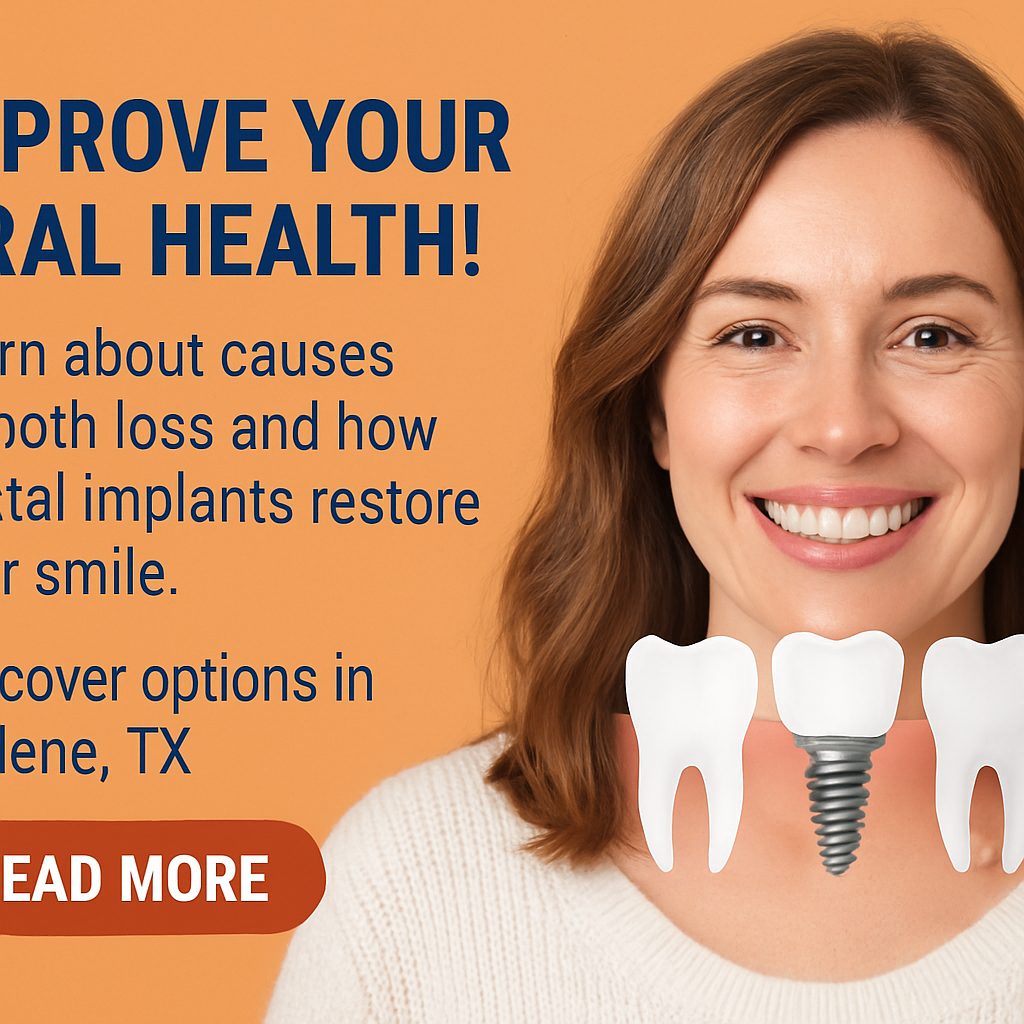
Dental implants replace missing teeth by acting like a root in the jaw. An implant has three parts: the titanium implant (root), the abutment (connector), and the crown (visible tooth). Because implants replace the root, they preserve jawbone and feel like natural teeth.
Dental implants offer strong chewing ability, natural appearance, and long-term stability compared with bridges or removable dentures. Options include single implants, implant-supported bridges, and full-arch solutions such as All-on-4. For many people, implants restore both function and confidence.
Who is a candidate for dental implants: assessing oral health in Abilene, TX
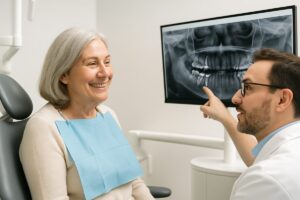
Good candidates have healthy gums, enough jawbone, and controlled medical conditions. The evaluation includes medical history, an oral exam, and imaging like CBCT to check bone volume and anatomy. Dentists also check for infections or bite issues.
Common barriers include insufficient bone, uncontrolled diabetes, and tobacco use. Solutions can include bone grafting, staged treatment plans, or working with your doctor to control health conditions. A local implant evaluation in Abilene, TX will outline your options clearly.
What to expect during implant treatment and recovery
Treatment starts with a consultation and imaging, followed by implant placement and a healing period. Some patients receive a temporary restoration the same day. Final crowns are placed after the implant integrates with bone, often several months later.
Options for comfort include local anesthesia, nitrous oxide, or oral sedation. Typical side effects are swelling, mild pain, and bruising for a few days. Home care includes gentle cleaning, a soft-food diet early on, and following your dentist’s instructions to protect healing implants.
Choosing the right dental team for oral health and implant care in Abilene, TX
Look for clinicians with implant training, CBCT imaging, and modern surgical tools. Technology like laser dentistry and on-site implant placement speeds care and improves outcomes. Clear pricing, financing, and in-network insurance options make treatment easier to plan.
Leedy Dental in Abilene provides on-site implant placement, a team experienced in full-mouth rehabilitation, and patient-first care. The doctors have extensive training in implants and cosmetic restoration, and the practice offers financing and insurance guidance to make implant care accessible.
Maintaining long-term oral health after implants
Once implants are restored, home care and regular dental visits keep them healthy. Brush and floss around implants daily, use recommended tools like interdental brushes, and see your dentist for cleanings and check-ups every 3–6 months depending on your needs.
Proper care preserves jawbone, prevents gum disease, and protects the investment in your smile. With good maintenance, implants can last for many years and support long-term oral health in Abilene, TX.
Next steps: finding answers and scheduling a consultation
Prepare for your first visit by listing medical history, current medications, and goals for your smile. Ask about the implant process, imaging, expected timeline, costs, and financing options. Bring questions about alternatives, recovery, and long-term care.
To learn more or schedule a consultation about oral health in Abilene, TX, contact Leedy Dental. A consult will clarify whether dental implants are right for you and outline a personalized plan to restore function and confidence.