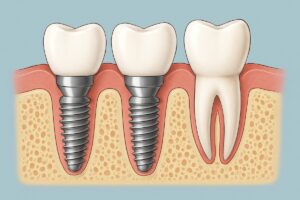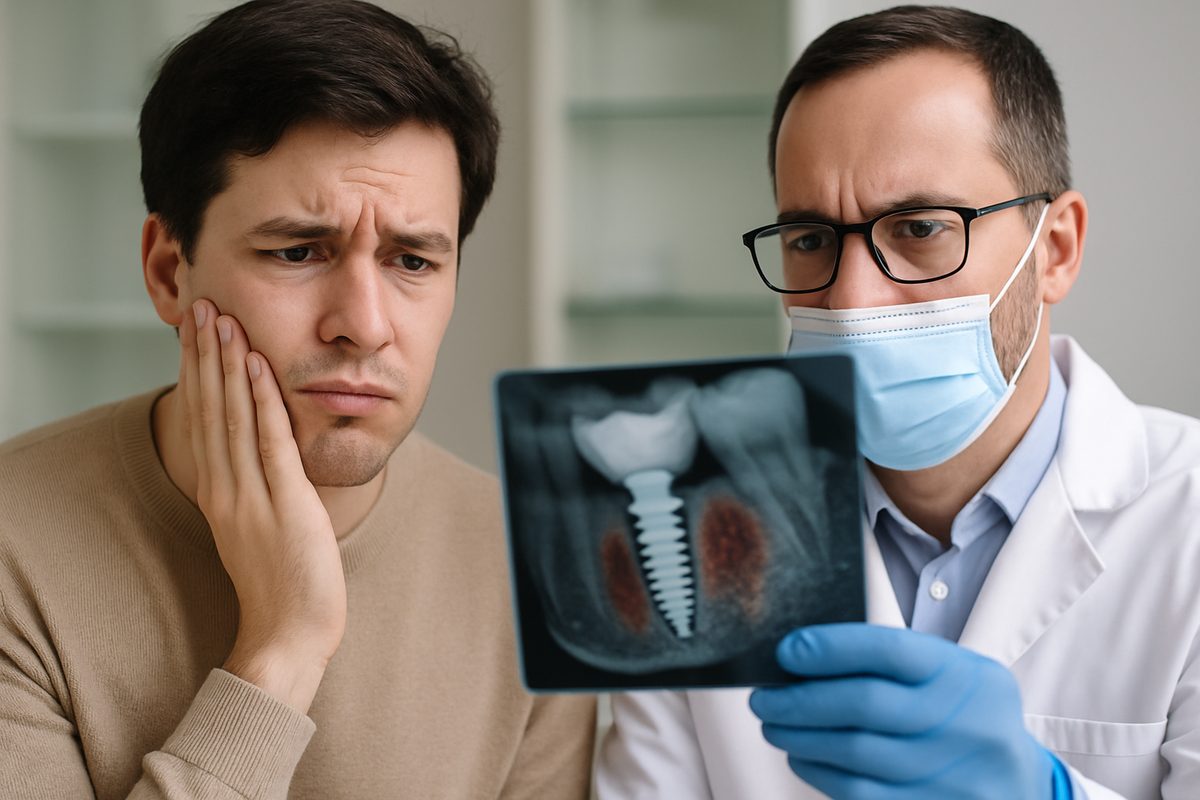
If you or a loved one has dental work coming up, it helps to know what to watch for with dental implants complications in Abilene, TX. This post explains what we mean by dental implants complications, why spotting problems early matters, and the steps you can take right away. You’ll learn common early and late issues, clear signs to watch for, immediate actions, typical treatments, prevention tips, and when to contact a dentist.
Most common dental implants complications
Complications fall into two broad groups: early (hours to weeks after surgery) and late (months to years later). Knowing the difference helps you act fast and avoid bigger problems.
Early complications (first hours–weeks)
- Bleeding that won’t stop despite pressure
- Swelling that worsens instead of improving
- Acute infection with fever or pus
- Severe pain not controlled by prescribed meds
- Numbness or tingling suggesting nerve involvement
- Immediate implant failure — implant feels loose or falls out
Late complications (months–years)
- Peri-implantitis — infection and inflammation around the implant
- Progressive bone loss around the implant
- Loose, fractured, or worn abutments and crowns
- Occlusal (bite) problems causing wear or discomfort
- Esthetic issues like gum recession or visible metal
Signs and symptoms to watch for after implant surgery
Watch for any of these warning signs. If they start or get worse, they may indicate dental implants complications:
- Persistent or worsening pain after the expected healing time
- Swelling that increases after 72 hours
- Fever or chills
- Pus, a bad taste, or foul odor from the surgical site
- Mobility of the implant or crown
- Prolonged numbness or unusual nerve sensations
- New changes when biting or chewing
Immediate steps to take if you suspect a problem
If you notice signs of dental implants complications, act quickly:
- Contact your dentist right away and describe symptoms in detail
- Keep the area clean — gentle saltwater rinses (warm saltwater, 3–4 times daily)
- Avoid smoking, alcohol, and hard or crunchy foods
- Take prescribed antibiotics or pain meds exactly as directed
- Document symptoms with notes and photos to show your provider
Go to the ER or seek emergency care if you have severe bleeding that won’t stop, swelling that’s spreading toward the neck or throat, trouble breathing, or very high fever.
Professional diagnosis and common treatment approaches
Dental providers will examine the site, check mobility, and use X-rays or CBCT scans to assess bone and implant position. Common treatments vary by problem and severity.
Non-surgical treatments
- Antibiotics for infection
- Antiseptic rinses and improved home hygiene
- Soft-tissue debridement to remove infected tissue
- Bite (occlusal) adjustments to reduce stress on the implant
- Temporary restorations while healing is managed
Surgical treatments
- Flap surgery to access and clean the implant surface
- Bone grafting when bone loss is present
- Removal of a failed implant with delayed replacement planning
- Nerve repair or management if nerve injury is detected
When specialists are involved
Some cases need referrals to oral surgeons, periodontists, or prosthodontists — especially complex grafting, advanced implant salvage, or prosthetic complications.
How to reduce your risk of dental implants complications
You can lower risk by following pre-op and post-op guidelines:
- Pre-op: thorough exam and imaging, manage health issues like diabetes, stop smoking, and set realistic expectations
- Post-op: strict oral hygiene, follow medication and diet instructions, attend routine follow-ups, get professional cleanings, and use a night guard if grinding is a concern
Leedy Dental: experienced implant care and patient support
At Leedy Dental in Abilene, our team offers on-site implant placement and restorations with more than 30 years of clinical leadership. We manage complex cases and full-mouth rehabilitation using modern technology like 3D imaging and laser options. Sedation choices and accessible financing help patients get timely care when signs of dental implants complications in Abilene, TX arise.
When to contact Leedy Dental or schedule an urgent visit
Call Leedy Dental promptly for persistent pain, increasing swelling after three days, fever, pus, a loose implant or crown, or changes when biting. During an urgent visit we’ll evaluate, take imaging if needed, and recommend a clear plan — whether that’s medication, minor treatment that day, or referral for surgery.
Most implants succeed when problems are caught early. If you suspect any dental implants complications in Abilene, TX, contact your dentist right away — early care protects your health, comfort, and long-term smile. Leedy Dental is available to evaluate symptoms and guide you through safe, evidence-based treatment options.