Dental implants are permanent tooth roots made of titanium that support crowns, bridges, or full-arch restorations. If you’re exploring options, finding a qualified dental implants doctor in Abilene, TX can make the difference between a predictable, lasting result and ongoing problems. This short guide explains what implants involve, why provider choice matters, which credentials to look for, and practical next steps for your consult.
By the end you’ll know how to evaluate a provider, which questions to ask a prospective dental implants doctor, what modern technology to expect, and how to prepare for treatment.
Why choosing a qualified dental implants doctor matters
Implants are designed to last decades, so placement and restoration quality matter for long-term function and health. Poorly placed implants can lead to infection, bone loss, failed restorations, or chronic pain. A qualified dental implants doctor improves predictability by using proper diagnostics, sterile technique, and a clear restorative plan.
Choosing the right doctor lowers the risk of complications and helps ensure your bite, chewing ability, and smile look natural for years.
Key credentials and experience to look for in a dental implants doctor
Training and certifications
- Doctor of Dental Surgery (DDS) or Doctor of Dental Medicine (DMD)
- Advanced implant training or mini-residencies in implantology
- Memberships in professional groups (AAID, ICOI, American College of Oral Implantology)
- Ongoing continuing education and courses in CBCT, guided surgery, and prosthetic techniques
Clinical experience
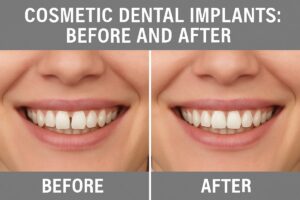
Ask how many implants the doctor places each year, whether they perform full-mouth rehab, and request case photos or patient reviews. Volume and variety matter: a provider experienced with complex cases is more likely to handle challenges like bone loss or sinus concerns.
Restoration skills vs. surgical skills
The best outcomes come when the same doctor or an integrated team handles both implant placement and the prosthetic restoration. That coordination ensures implants are placed for the final crown, bridge, or denture — not just for staying in the jaw.
Questions to ask a prospective dental implants doctor
- How many implants do you place per year?
- Do you handle both the surgery and the crown/bridge work?
- What imaging or CBCT technology do you use?
- What are your complication or failure rates?
- What sedation options do you offer for comfort?
- Do you provide a written treatment plan, timeline, and warranty?
Technology and services that show a modern implant practice
Look for practices that use up-to-date tools. A modern dental implants doctor in Abilene, TX will often offer:
- CBCT 3D imaging for precise planning
- Guided implant surgery based on digital plans
- In-house or partnered CAD/CAM labs for same-day or fast restorations
- Laser dentistry for minimally invasive soft-tissue work
- Sedation options (nitrous oxide or oral sedation) for anxious patients
Red flags: when a dental implants doctor may not be the right choice
Be cautious if a provider offers unusually low prices without an exam, avoids imaging, gives no written treatment plan, has no before/after photos or patient reviews, or refuses to explain follow-up care and warranties. These signs can point to rushed or low-quality care.
What to expect during implant treatment
Consultation and planning
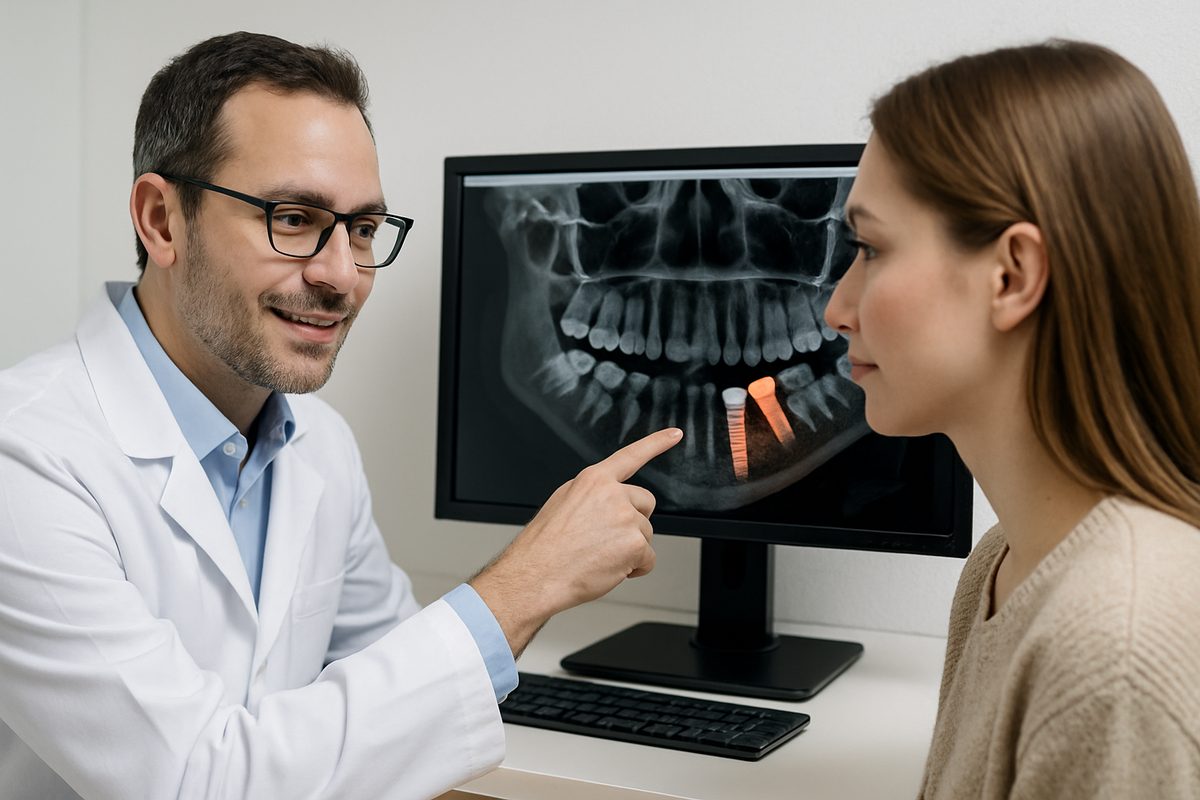
Expect a medical and dental history review, exam, and 3D imaging (CBCT) when needed. A good dental implants doctor in Abilene, TX will provide a clear written plan with timeline and cost estimate.
Surgery and healing
Implant placement is usually outpatient. Healing takes weeks to months depending on bone and whether grafting was needed. Your doctor will explain aftercare, antibiotics if needed, and follow-up visits.
Restoration and aftercare
Once healed, the final crown, bridge, or denture is attached. Regular dental checkups, good oral hygiene, and possible nightguards for bruxism help protect your investment.
How to afford implants: payment and insurance questions for your dental implants doctor
Dental insurance may cover part of the restoration, but many plans limit implant benefits. Common options include third-party financing, in-office payment plans, and CareCredit or similar programs. Always ask for a clear written estimate and payment options before you commit.
Why some patients choose Leedy Dental for dental implants
Leedy Dental offers both in-house implant placement and restoration led by clinicians with decades of implant and full-mouth rehab experience. The team uses modern imaging and sedation options and provides transparent financing and in-network insurance guidance to support predictable outcomes. Many patients appreciate the patient-first approach and the practice’s long track record in Abilene, TX.
Next steps: preparing for your consult with a dental implants doctor
Bring your medical and dental history, a list of medications, and any recent X-rays or CBCT scans. Photos of your smile can help. Compare written estimates, ask the questions listed above, and choose a provider who shows clear planning, modern technology, and good patient reviews.
If you’re ready, schedule a consultation with a trusted dental implants doctor in Abilene, TX to get a personalized plan and cost estimate. Good planning leads to better outcomes and a smile that lasts.